
Someone on Twitter said they “optimized for ChatGPT” and traffic exploded. Someone else said AI SEO is a scam. Both are talking past each other.
Here’s the honest version: AI answer engines don’t publish a rulebook. You can’t log into ChatGPT and submit your sitemap. But you can publish content in a format that real language models tend to pull from when they answer questions — and you can track whether it’s working instead of guessing.
This isn’t magic. It’s mostly good content structure, clear authority signals, and pages that actually answer questions people type into AI tools.
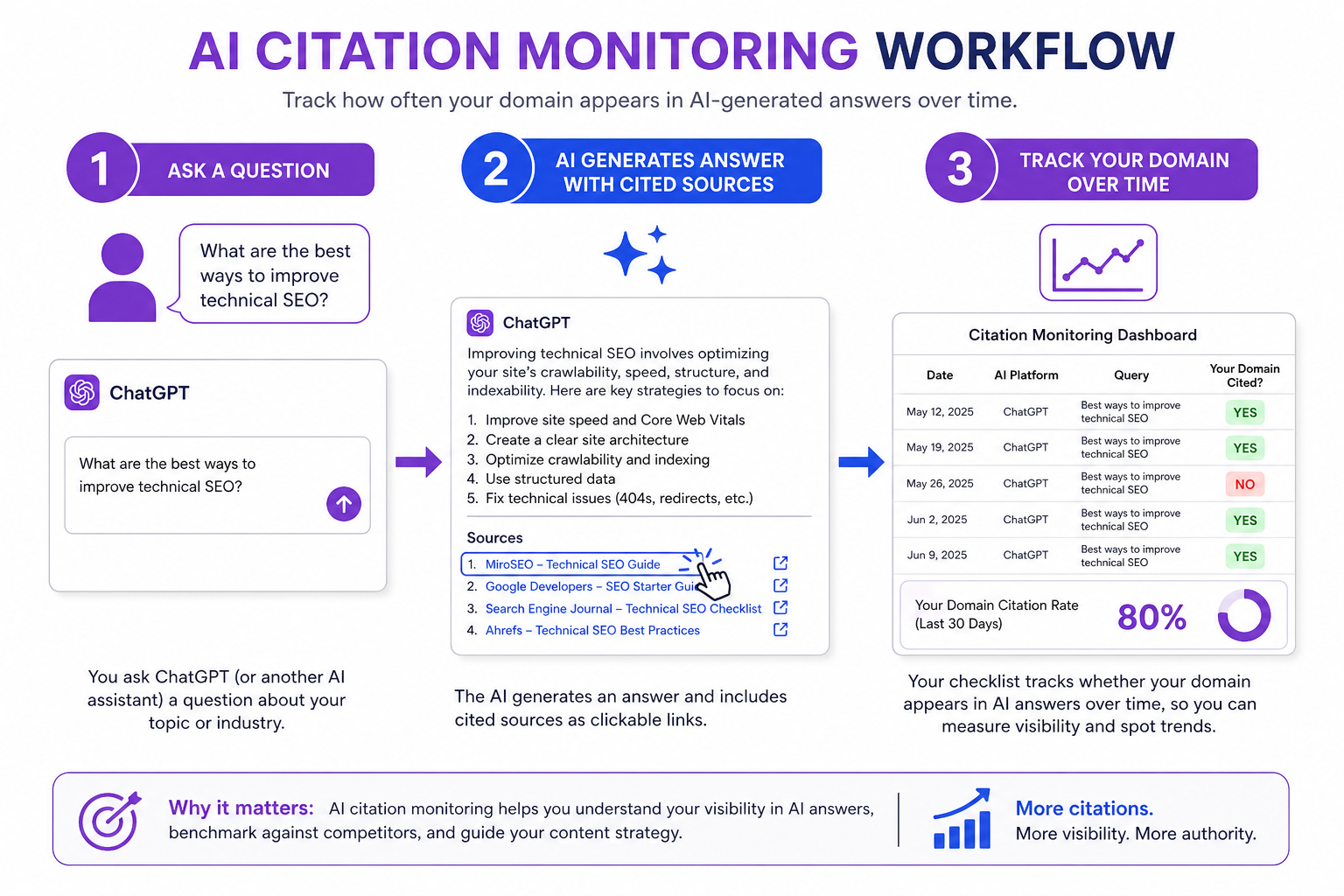
What “Getting Cited by AI” Actually Means
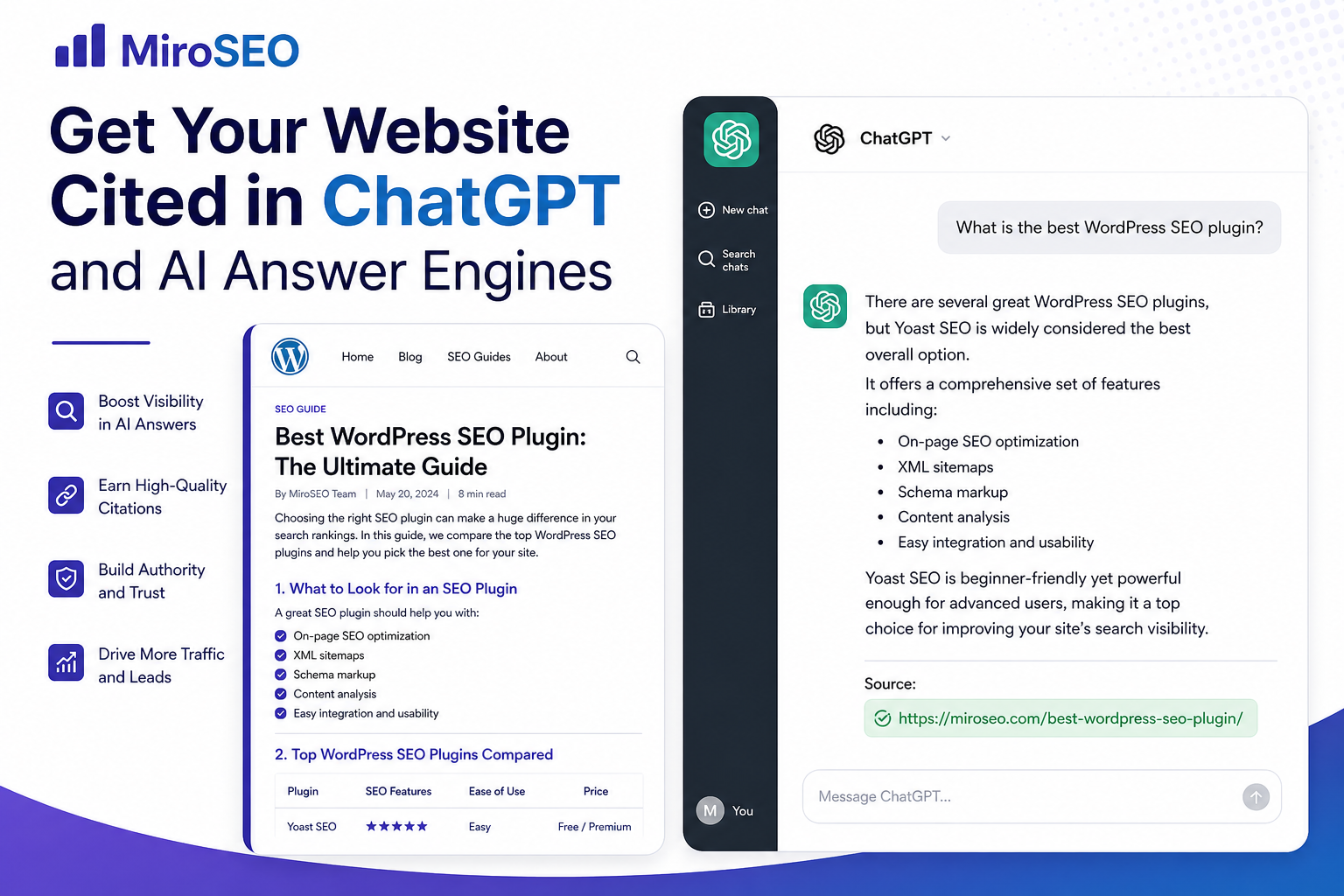
When someone asks Perplexity “what’s the best WooCommerce cart recovery plugin,” the model builds an answer from sources it has seen — training data, live search results, or both depending on the tool.
Your goal isn’t to “rank #1 in ChatGPT.” It’s to be the page that gets referenced when your topic comes up — because your content is clear, specific, trustworthy, and easy to quote.
That overlaps heavily with classic SEO. It also adds a few things Google cared about less five years ago: direct answers up front, explicit authorship, structured data, and content that matches how people ask questions out loud.
Stop Writing Introductions That Bury the Answer
AI models love quotable paragraphs. They hate wading through three paragraphs of “in today’s digital landscape…”
If your article is “how to fix WordPress posts not indexing,” the first paragraph after the title should say what the fix path looks like. Not what WordPress is. Not a history of Google.
Same for product pages, docs, and tutorials. Lead with the answer. Then explain.
This is the same advice we give for featured snippets. AI answers are basically featured snippets on steroids — they need a clean chunk of text they can lift.
Use Question Headings Real People Ask
Compare these two H2s:
- “Optimization methodology for discoverability”
- “Why isn’t my WordPress post indexed?”
Guess which one matches a ChatGPT prompt.
Structure posts around questions: “What causes it,” “How to check,” “How to fix it,” “What if it still doesn’t work.” That mirrors how people talk to AI assistants — and how those tools chunk content when generating replies.
E-E-A-T Still Matters (Maybe More in AI Context)
AI tools get burned by hallucinations constantly. They’re under pressure to cite sources that look credible.
That means:
- Real author names and bios on content that claims expertise
- Updated publish dates when you refresh guides
- Outbound links to primary sources (Google docs, official WooCommerce docs — not random SEO blogs)
- First-hand experience where you have it (“we tested this on a live store with 2,000 SKUs” beats generic advice)
Don’t invent credentials. Don’t fake case studies. Thin “AI SEO” landing pages with no substance get ignored by humans and machines alike.
Structured Data Helps Machines Understand the Page
Article, FAQ, HowTo, Product — schema doesn’t guarantee citations, but it tells parsers what the page is.
For WordPress sites, check that your SEO plugin or theme isn’t outputting broken JSON-LD. Duplicate FAQ schema on empty accordions is worse than none.
FAQ sections are useful when the Q&A is real. Slap five generic questions at the bottom with one-sentence answers and you’ve added noise, not signal.
Be the Best Page on a Specific Question
Broad terms like “WordPress SEO” are brutal. AI and Google both prefer a definitive page on a specific problem.
Examples that fit how people actually prompt AI:
- “WooCommerce product not showing in Google”
- “How long until Google indexes a new blog post”
- “Cart recovery email not sending WooCommerce”
One excellent page beats ten mediocre “ultimate guides.” Build clusters: indexing post → product indexing post → Search Console post, all linked together. That’s how you look like a real source on a topic, not a one-off.
You Still Need Classic SEO Working
Many AI tools with browsing pull from live search results. If you’re not indexed, you’re not in the pool.
Read our guide on pages not getting indexed if that’s your bottleneck. No amount of “AI optimization” fixes a noindex tag.
Internal links, page speed, mobile usability — all still matter. AI citation is a layer on top, not a replacement.
How to Know If It’s Working (Instead of Guessing)
Pick 5–10 prompts your customers would actually ask an AI about your niche. Write them down.
Every two weeks, run those prompts in ChatGPT, Perplexity, and Google AI Mode (where available). Note whether your domain appears, which page, and what competitors show up instead.
Track it in a spreadsheet. One snapshot means nothing. Trends mean something.
If you’re on WordPress and want this without a manual ritual, Citence Pro’s Tracked Prompts runs monitored questions against your configured AI provider and logs citation history over time — including alerts when you drop out of answers you used to appear in.
The free tier still gives you local SEO/citation-readiness checks on posts and pages if you’re not ready for Pro yet.
What Doesn’t Work (Save Yourself the Time)
- Hidden “AI-only” text or prompt injection junk — don’t
- Listing “ChatGPT optimization” as a service with no deliverables
- Rewriting everything in robotic bullet lists without substance
- Chasing AI traffic on topics you have zero authority in
- Ignoring Google entirely because “AI is the future” — both channels feed each other right now
The takeaway
Getting mentioned in AI answers comes down to publishing clear, credible, question-shaped content on topics you actually know — and making sure Google can index it.
There’s no cheat code. There is a process: fix indexing, structure content for direct answers, build topic clusters, measure citations over time. Do that consistently and you’re ahead of 95% of sites posting “AI SEO is dead” hot takes without updating a single page.